
 Liver and Weight Loss – Is There a Link between Them?
Many people don’t realise the strong connection between the liver and weight loss — but it plays a central role in both metabolism and fat storage. When it comes to weight loss, most conversations focus on calories in vs calories out, cutting carbs, or spending more time at the gym. But what if you’ve already tried all that — and you’re still not losing weight?
The answer may lie in an often-overlooked connection between your liver and weight loss.
Yes, your liver. This powerful, underrated organ plays a central role in how your body burns fat, balances hormones, manages energy, and eliminates toxins. If it’s sluggish or overloaded, it can quietly sabotage even your cleanest eating plan and most committed workout routine.
So… is your liver holding you back?
What Your Liver Does for You
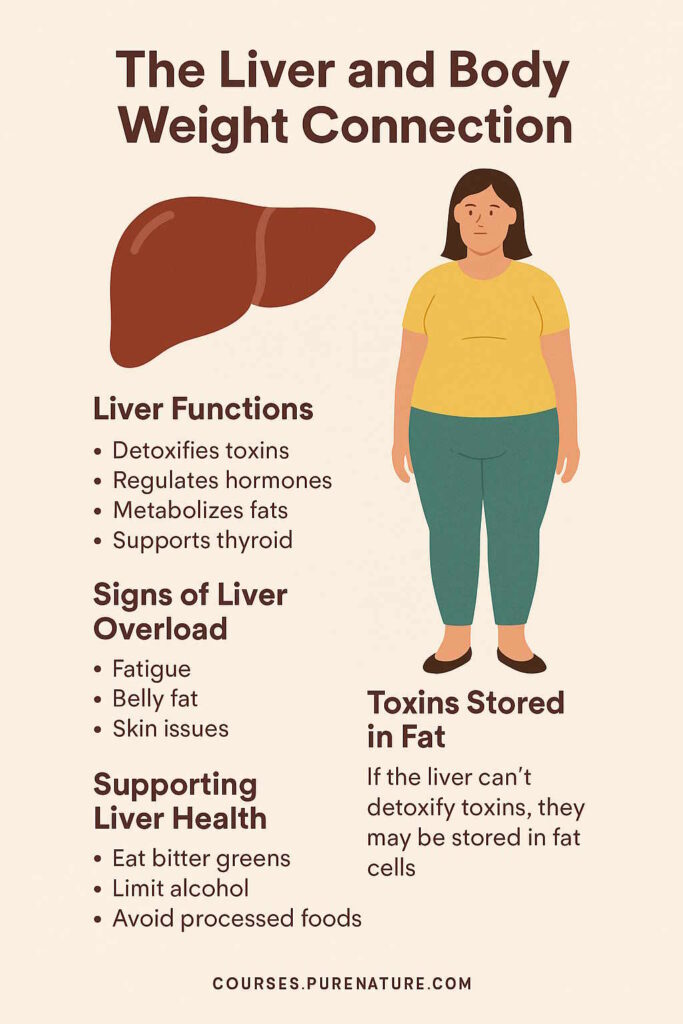
Think of your liver as your body’s personal cleansing and metabolic assistant — working 24/7 behind the scenes to keep everything running smoothly. It:
- Filters your blood and clears out toxins from food, medication, alcohol, and the environment
- Produces bile, which is essential for breaking down fats and absorbing fat-soluble vitamins
- Helps regulate blood sugar by storing and releasing glucose
- Breaks down excess hormones like oestrogen, cortisol, and insulin
- Converts thyroid hormone (T4 to T3), which is critical for a healthy metabolism
- Stores essential nutrients like iron, vitamin A, B12, and D
Without good liver function, fat metabolism becomes inefficient, hormone imbalances can develop, and your body may begin storing toxins in fat cells just to keep them out of circulation.
Explore more on liver function at:
British Liver Trust | Johns Hopkins Medicine
Signs Your Liver Might Be Struggling
The liver rarely screams for attention — instead, it sends gentle, persistent whispers. If you’ve noticed any of the following, your liver could be under stress:
- Constant tiredness or low energy
- Bloating, gas or indigestion
- Brain fog or poor concentration
- Skin issues like acne, rashes, or dullness
- Bad breath or body odour
- Weight gain around your middle
- Mood swings or irritability
- Sensitivity to smells, alcohol or medication
Research suggests that 1 in 3 people in the UK may have early-stage non-alcoholic fatty liver disease (NAFLD) without knowing it. This is strongly linked to obesity, insulin resistance, and metabolic syndrome. Reference
Why Your Liver and Weight Loss Are More Connected Than You Think
Even if you eat well and exercise, a struggling liver can block your progress by:
1. Storing Toxins in Fat Cells
If your liver can’t neutralise toxins quickly enough, your body stores them in fat tissue — especially around your belly — to protect vital organs.
2. Slowing Down Your Metabolism
Your liver helps convert thyroid hormone T4 into its active form, T3. When this conversion slows, so does your metabolic rate.
3. Disrupting Hormonal Balance
The liver processes and clears hormones like oestrogen, cortisol, and insulin. If it’s under pressure, this can lead to hormonal weight gain, especially around the hips, thighs, and abdomen.
Learn more: Dr. Bryan Walsh – Detox Pathway
How to Support Liver Function Naturally
Supporting your liver and weight loss efforts doesn’t have to involve extreme diets — sometimes the gentlest shifts are the most effective. Forget harsh detoxes or extreme diets. Your liver is self-healing — it just needs the right food, hydration, and daily rhythm to do its job effectively.
Here are some simple ways to support it:
1. Eat Liver-Loving Foods
- Bitter greens – rocket, dandelion leaves, watercress, chicory
- Cruciferous veg – broccoli, cabbage, Brussels sprouts
- Beetroot – supports bile flow
- Garlic and onions – sulphur-rich
- Lemons and limes – stimulate digestion
- Turmeric – shown to have liver-protective effects (PubMed)
More inspiration: Healthline – Foods That Are Good for Your Liver
2. Add Detox-Supportive Herbs
- Milk thistle – supports liver cell regeneration
- Schisandra berry – used in Traditional Chinese Medicine
- Dandelion root – stimulates bile and supports digestion
(Phytotherapy Research)
3. Stay Well Hydrated
6–8 glasses of filtered water daily help support detox through the bile and kidneys. Herbal teas like nettle, peppermint, and ginger add gentle support.
4. Reduce Alcohol and Ultra-Processed Foods
Alcohol, food additives, trans fats, and refined sugar all increase your liver’s workload. Even small reductions can reduce inflammation and ease detox.
5. Use Non-Toxic Personal Products
Your skin absorbs what you apply. Look for items free from:
- Parabens
- Phthalates
- Synthetic fragrances
Check your products here: EWG Skin Deep Database
6. Improve Sleep and Gentle Movement
Your liver does most of its deep detox work at night. Prioritise 7–8 hours of sleep, and support lymphatic flow with gentle exercise like walking or rebounding.
Want a Deeper Detox?
If you’d like to support your liver and lymphatic system more actively, my Far Infrared Mineral Clay Detox Wrap Course offers a gentle, guided protocol using the healing properties of clay, warmth, and minerals.
It’s ideal if you feel heavy, stagnant, or stuck in your weight loss journey.
Final Thoughts
Your liver is more than just a detox organ — it’s a central player in your body’s ability to burn fat, balance hormones, and feel energised. A sluggish liver may explain why your usual strategies aren’t working, highlighting the overlooked link between the liver and weight loss. If you’ve hit a plateau, supporting your liver might be the shift your body’s been waiting for.
Start gently. Add liver-supportive foods. Clear out hidden toxins. Give your body the space it needs to release — safely, naturally, and without restriction.
And the liver is just one piece of the puzzle…
Coming Up Next: Post 7 – Your Gut, Your Weight
In Post 7, we’ll explore how gut microbiome imbalances affect your cravings, mood, and fat storage — and how things like antibiotics, sugar, and stress quietly shift your internal chemistry.
You’ll learn:
- How the gut-brain axis drives appetite
- Why dysbiosis can make weight loss harder
- Easy ways to feed a more balanced, happy gut
See you there! 🌿
_________________________________________________________________________________________
Frequently Asked Questions: The Liver and Weight Loss
Q: Why is the liver important for weight loss?
The liver plays a key role in fat metabolism, hormone balance, and detoxification — all of which directly affect your body’s ability to lose weight. If your liver is overloaded, it may struggle to break down fat efficiently, which can slow your weight loss progress.
Q: Can poor liver health cause weight gain?
Yes, indirectly. A sluggish or fatty liver may impair bile flow, disrupt blood sugar regulation, and lead to hormonal imbalances — all of which can promote fat storage, especially around the belly.
Q: What’s the connection between the liver and belly fat?
When toxins can’t be properly eliminated, the body may store them in fat cells to protect your organs. This often shows up as stubborn belly fat, making the link between the liver and weight loss especially important to understand.
Q: How can I support my liver and weight loss at the same time?
Focus on gentle, sustainable strategies like eating bitter greens, reducing alcohol, drinking more clean water, avoiding processed foods, and supporting your body’s natural detox pathways.
Q: Do liver detoxes help with weight loss?
Some gentle detox practices may help your liver function better, which in turn can improve fat metabolism. However, harsh detoxes can backfire. Always aim for nourishing, long-term habits rather than quick fixes.

